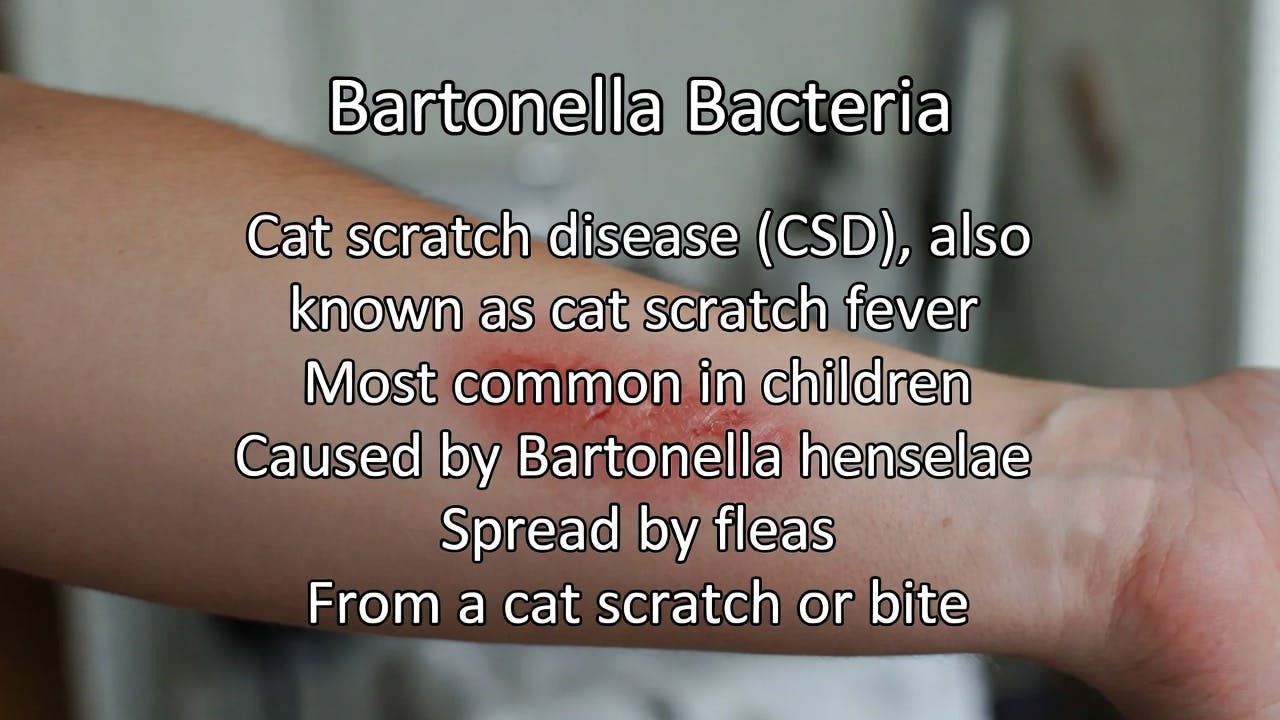
To prevent cat scratch fever, the most effective method is consistent year-round flea prevention for your pet. Since the Bartonella bacteria is spread via flea feces, eliminating fleas removes the source of infection. Additionally, washing cat scratches immediately with soap and running water can significantly reduce the risk of the bacteria taking hold.
Most cat owners view a small scratch as a "badge of honor," but sometimes those scratches carry a hidden guest: the Bartonella henselae bacteria. Interestingly, cats themselves rarely show symptoms of the disease; they act as "reservoir hosts," carrying the bacteria in their blood without falling ill. In humans, however, the immune system reacts much more strongly.
The primary driver of cat scratch fever isn't actually the cat—it's the flea. Understanding this cycle is vital for prevention.
Symptoms typically appear in stages, starting 3 to 14 days after the skin is broken.
If you suspect CSD, a doctor may perform a blood test (serology) to look for Bartonella antibodies.

A dog cough can be a simple clearing of the throat or a red flag for serious heart or lung issues. Learn how to "decode" your dog's cough and when it's an emergency.

From thunderstorms to vet visits, modern life can be stressful for our pups. But can a simple treat really take the edge off? Let’s dive into the science of canine relaxation.

A Great Dane’s life is short but impactful. Discover the factors that influence the Great Dane age span and how to provide the best care for their "Golden Years."
While anyone can catch CSD, it is most common in children under 15, likely due to their rougher play styles with kittens. Immunocompromised individuals—such as those with HIV, cancer, or organ transplants—are at a higher risk for serious complications, including Parinaud’s oculoglandular syndrome (an eye infection) or infections affecting the heart, liver, or spleen.
You don't have to get rid of your cat to stay safe. Follow these steps: