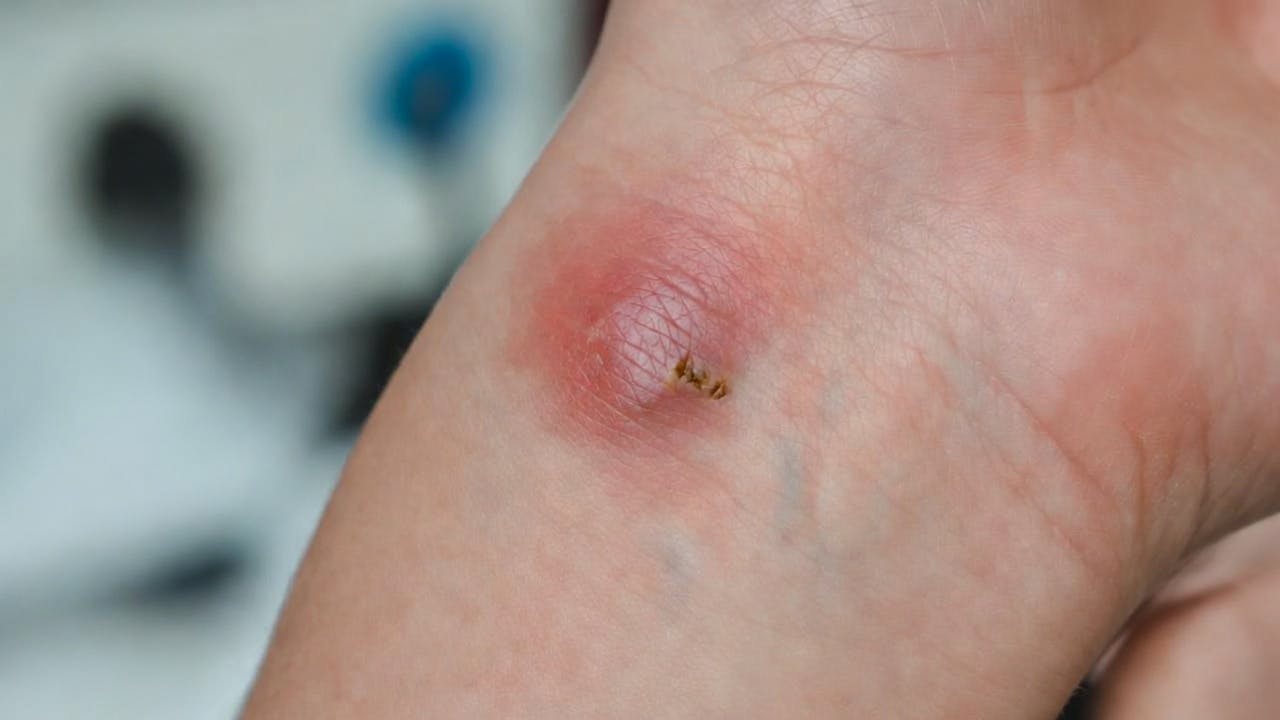
Cat scratch disease is a bacterial infection caused by Bartonella henselae, typically transmitted through the scratch or bite of a kitten. Telltale symptoms include a red bump at the injury site followed by swollen, tender lymph nodes near the scratch (usually in the armpit or neck) within 1–3 weeks. While most cases resolve without treatment in healthy individuals, immunocompromised people may require antibiotics to prevent complications.
Cat Scratch Disease (CSD) is a bacterial infection caused by Bartonella henselae. While the bacteria live harmlessly in many cats—especially kittens—they can cause significant illness in humans. In 2026, CSD remains the most common cause of chronic lymph node swelling in children and adolescents.
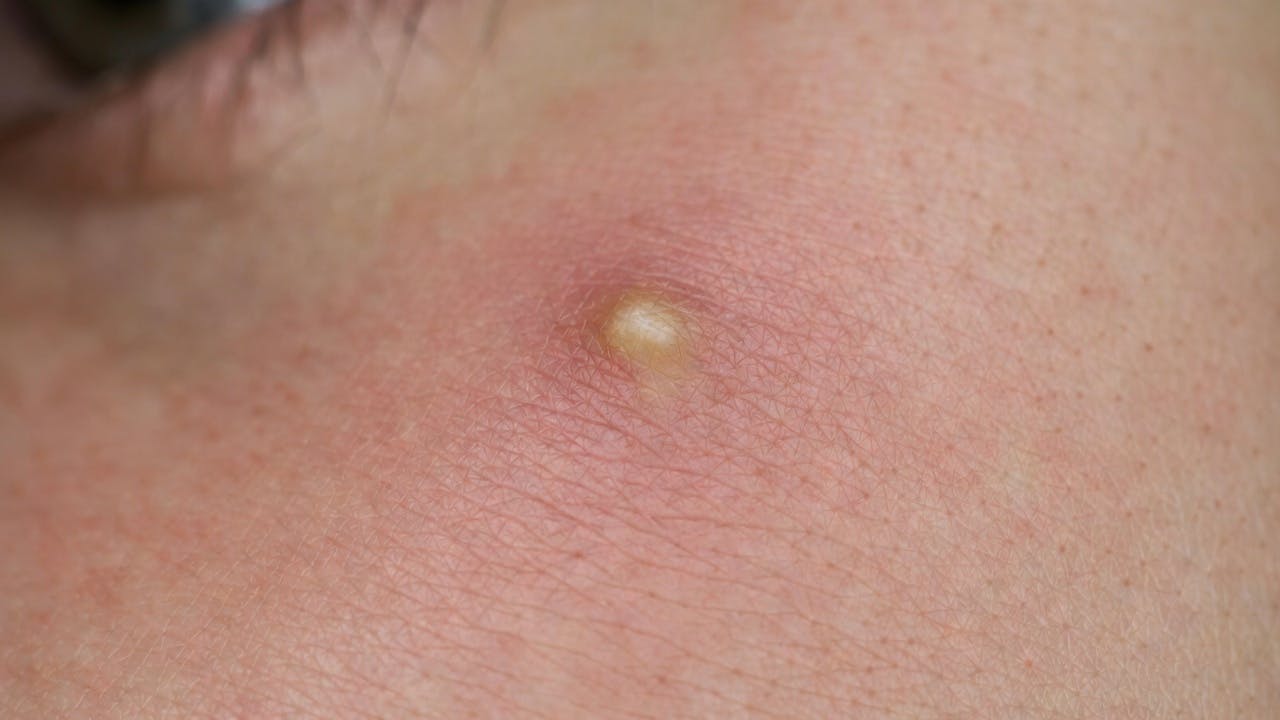
It’s a common misconception that the cat is the "source." In reality, the cycle starts with fleas.
CSD typically follows a specific timeline that can help you distinguish it from a normal scratch:
For most healthy adults, CSD is
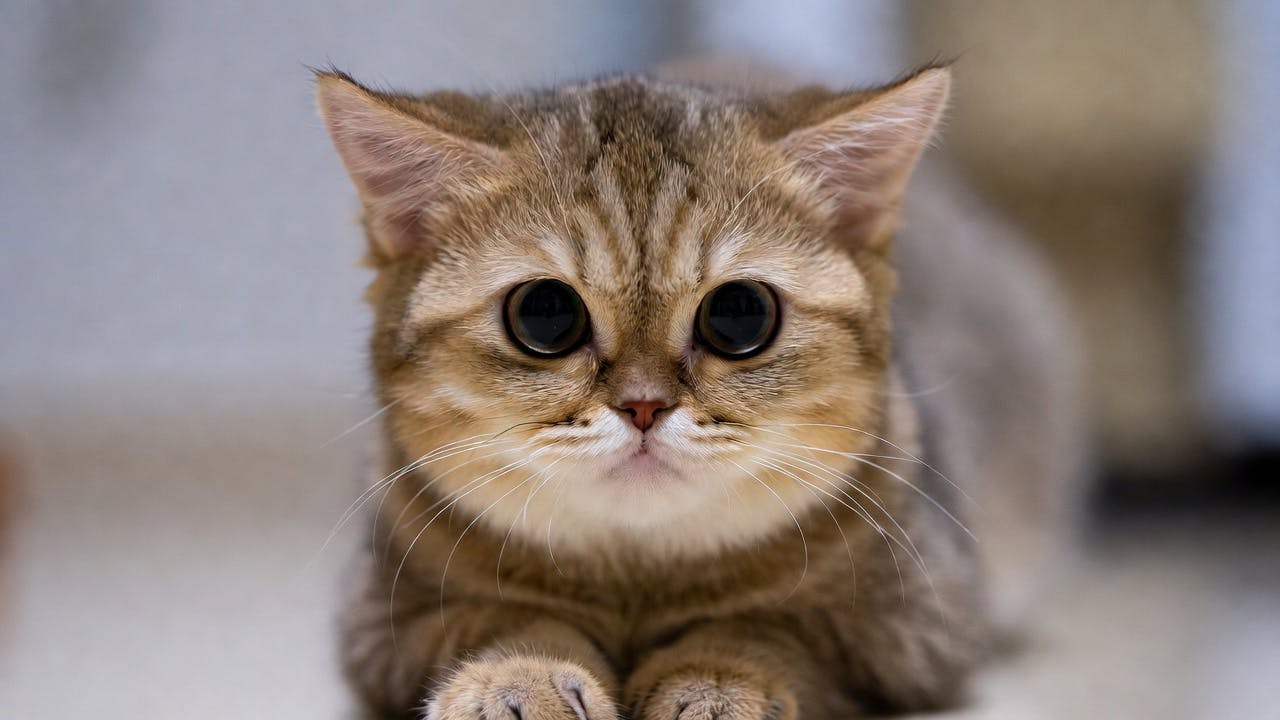
Want a feline friend that keeps that "kitten look" forever? From the tiny Singapura to the short-legged Munchkin, explore the best cat breeds that stay small.

Poodles are the chameleons of the dog world. Whether you want a regal show look or a cuddly "teddy bear" vibe, your poodle's coat is the ultimate canvas.
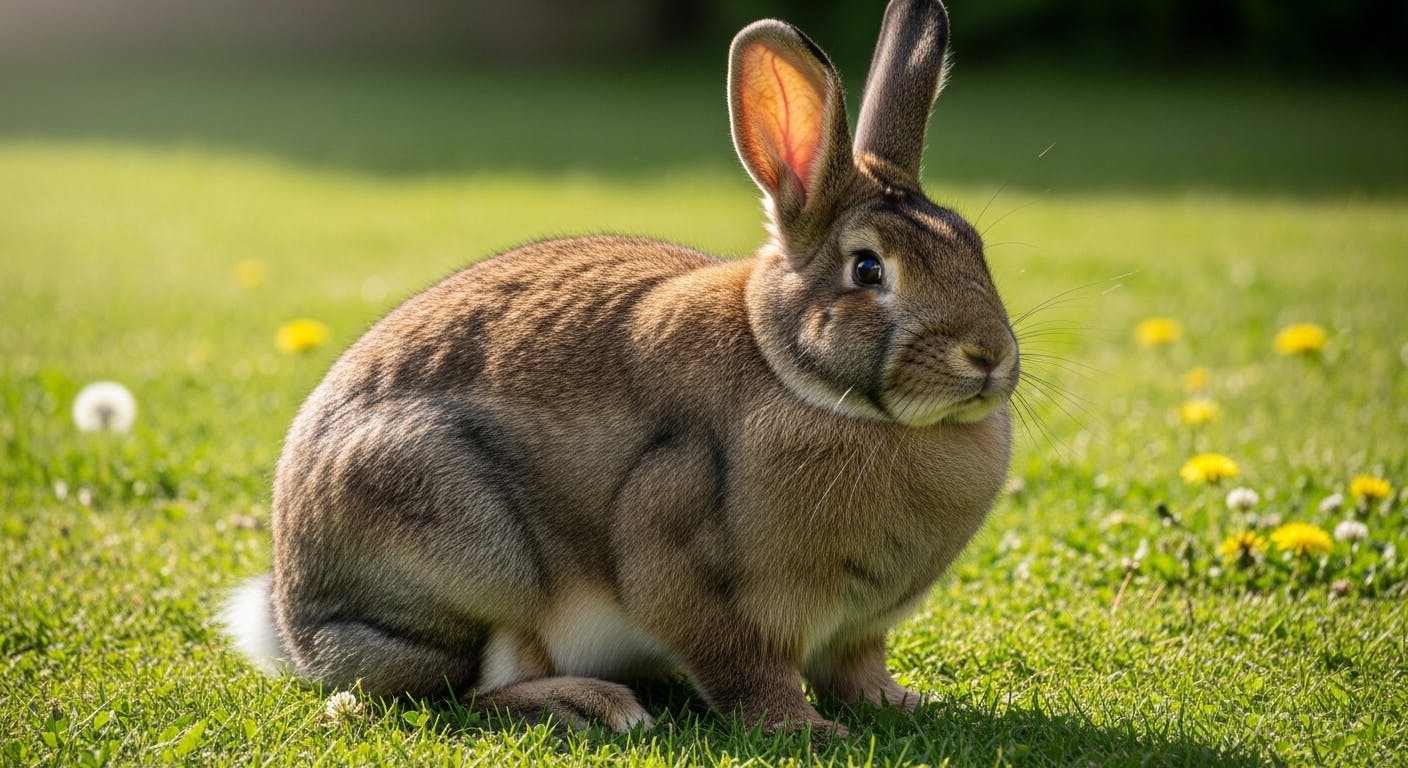
They are the giants of the rabbit kingdom. Learn why the Belgian Giant rabbit is becoming the must-have pet for those who want a bunny with a big personality.
You don't need to get rid of your cat to avoid CSD. Follow these 2026 safety standards: