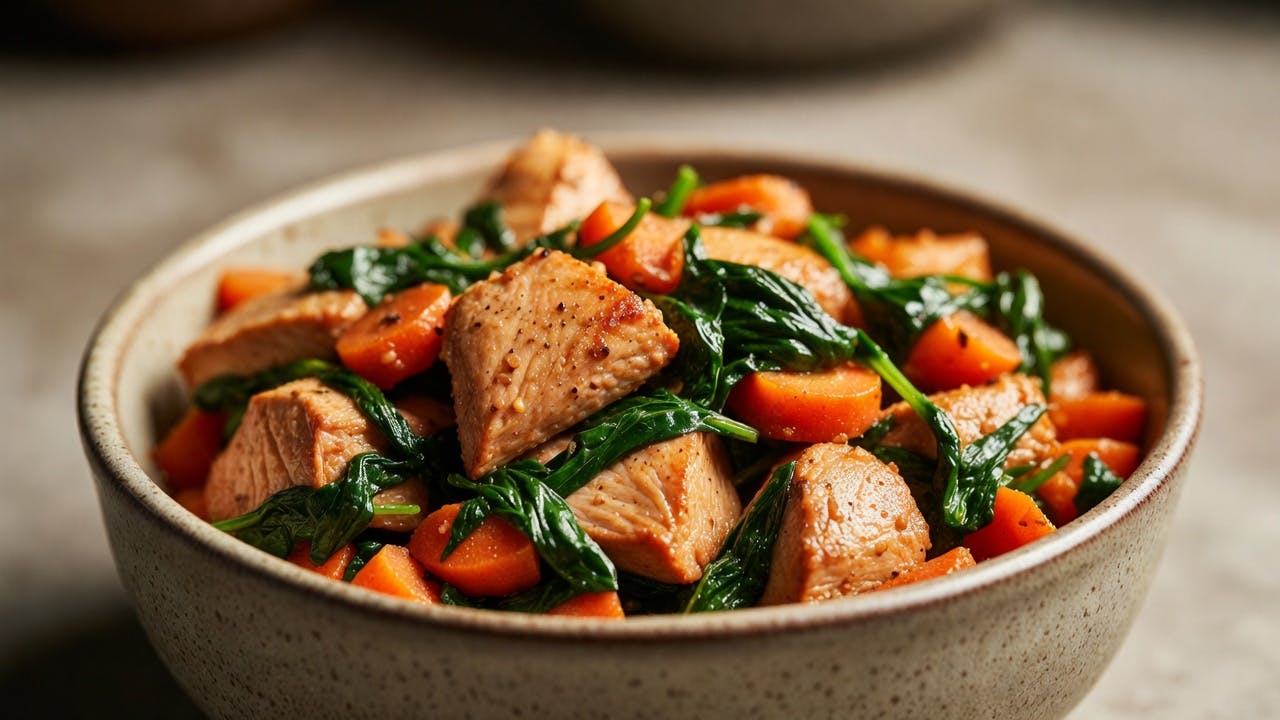
Fresh pet food offers three primary benefits over traditional kibble: superior digestibility leading to less waste, higher nutrient retention due to low-heat cooking, and improved skin and coat health from preserved essential fatty acids. For 2026, top-rated brands including The Farmer's Dog, Nom Nom, and Ollie provide personalized, vet-formulated meal plans that simplify weight management and address specific food sensitivities.
Walk down any pet aisle in 2026, and you’ll see it: the refrigerator section is taking over. As we become more conscious of our own gut health, we’re looking at our pets' bowls and asking, "Would I eat that?" Fresh pet food—made from whole meats, lightly cooked vegetables, and essential fats—is no longer a niche luxury; it’s becoming the standard for proactive pet health.
Switching diets too quickly is the #1 reason pet parents give up on fresh food. A dog’s gut microbiome needs time to adapt to "real" food. Follow this schedule to avoid digestive upset:
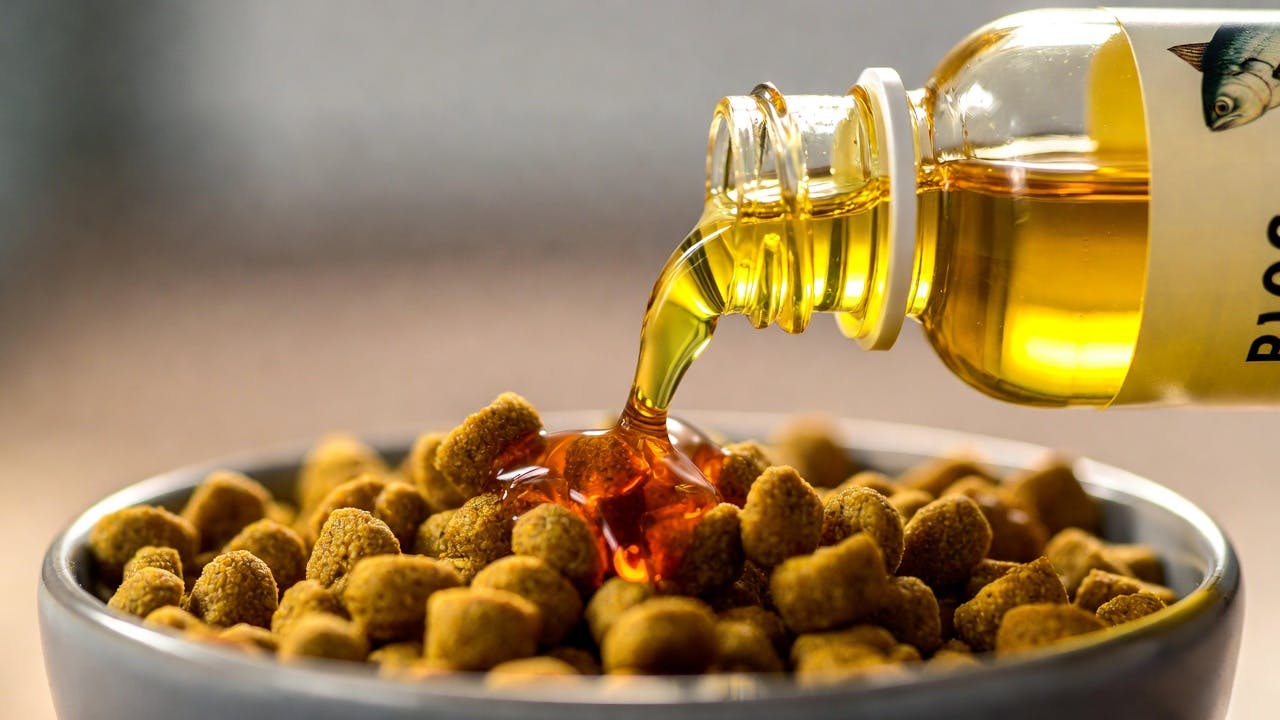
From soothing itchy skin to supporting aging joints, fish oil is a powerhouse supplement. Discover why Omega-3s are essential for your dog's long-term health.
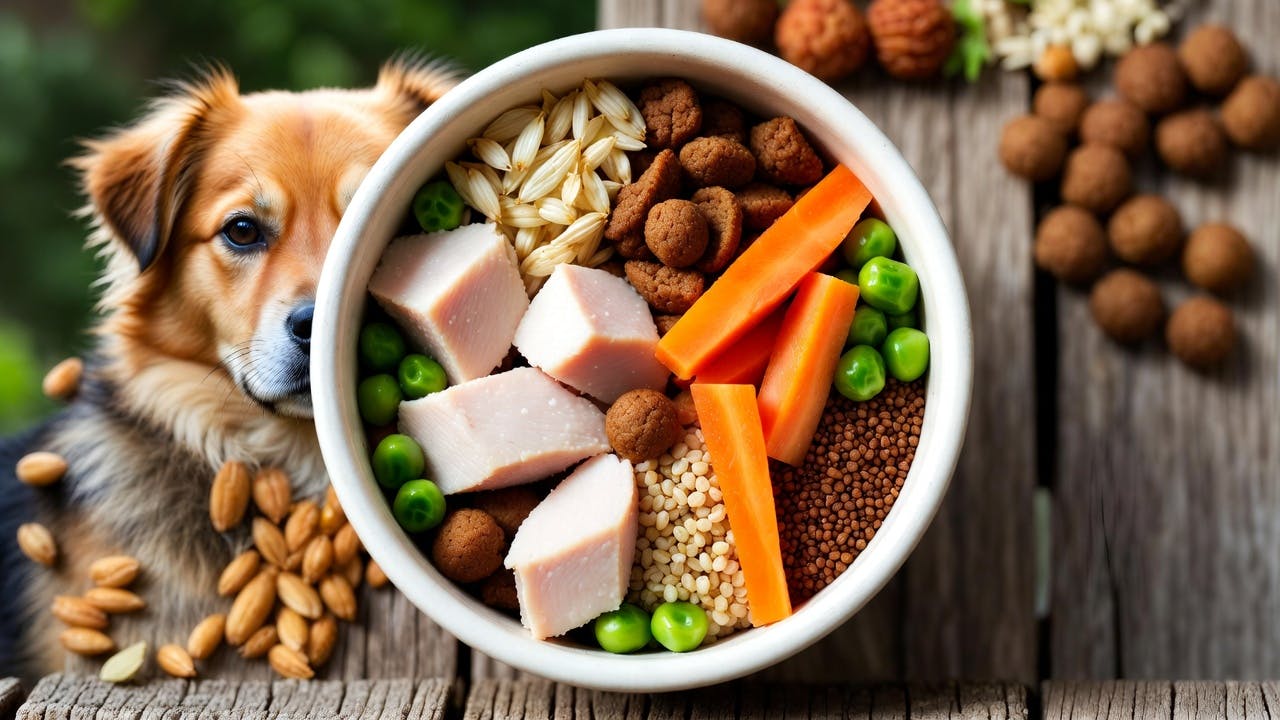
Grain-free dog food has skyrocketed in popularity, but is it just a marketing trend or a nutritional necessity? We dive into the science, the benefits for allergies, and what the latest research says about heart health.
Be a savvy shopper. In the pet food world, "Natural" is a loosely regulated term. However, "Human-Grade" is a legal standard (USDA/AAFCO) meaning every ingredient and the facility itself are legally cleared for human consumption. If a brand doesn't explicitly state "Human-Grade," it may still be using "3D" meats (Dead, Dying, or Diseased animals).
If you have a dog that turns their nose up at dry biscuits, fresh food is a game-changer. The natural aromas of real beef, turkey, and lamb are far more enticing than the artificial "palatants" sprayed onto kibble. For older dogs with dental issues, the soft texture of fresh food provides much-needed relief and ensures they continue to get their daily calories.