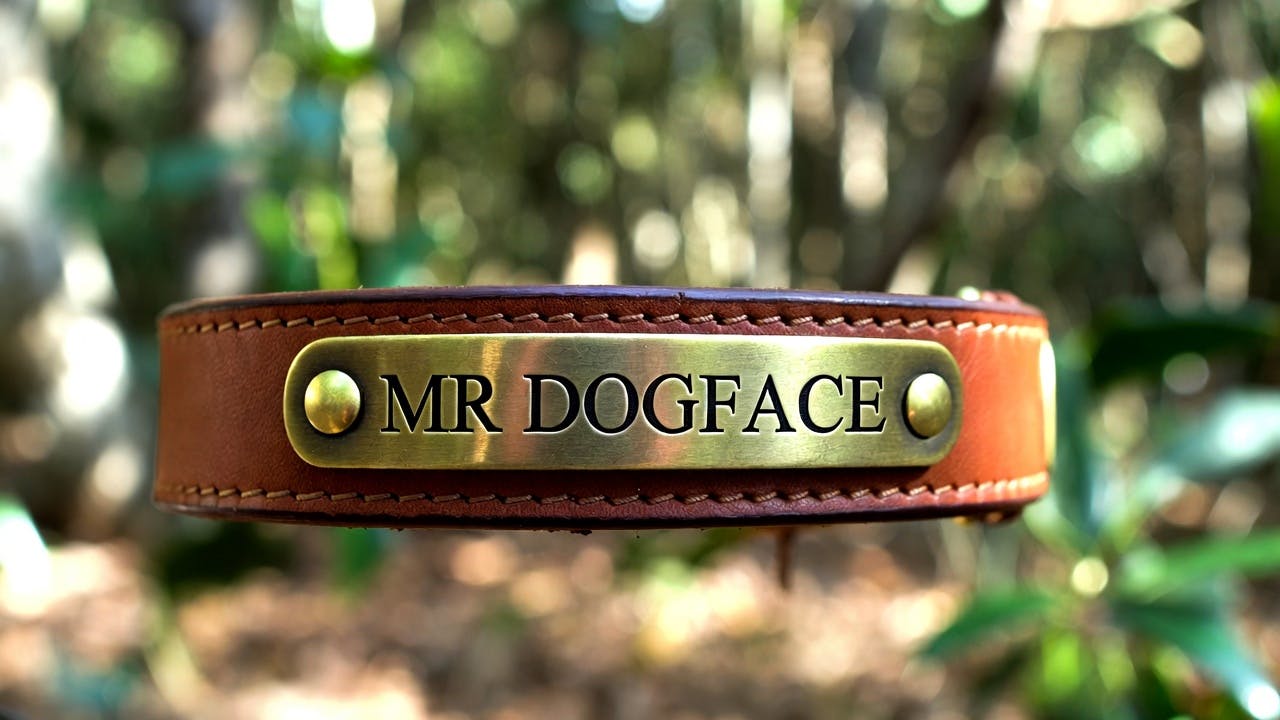
To choose the best dog collar, match the type to your dog's behavior: use a Flat collar for well-behaved dogs, a Martingale for "escape artists" with narrow heads, or a Head Halter for strong pullers. Always ensure a proper fit by using the "two-finger rule"—you should be able to fit exactly two fingers between the collar and the dog's neck to ensure it is neither too tight to choke nor too loose to slip off.
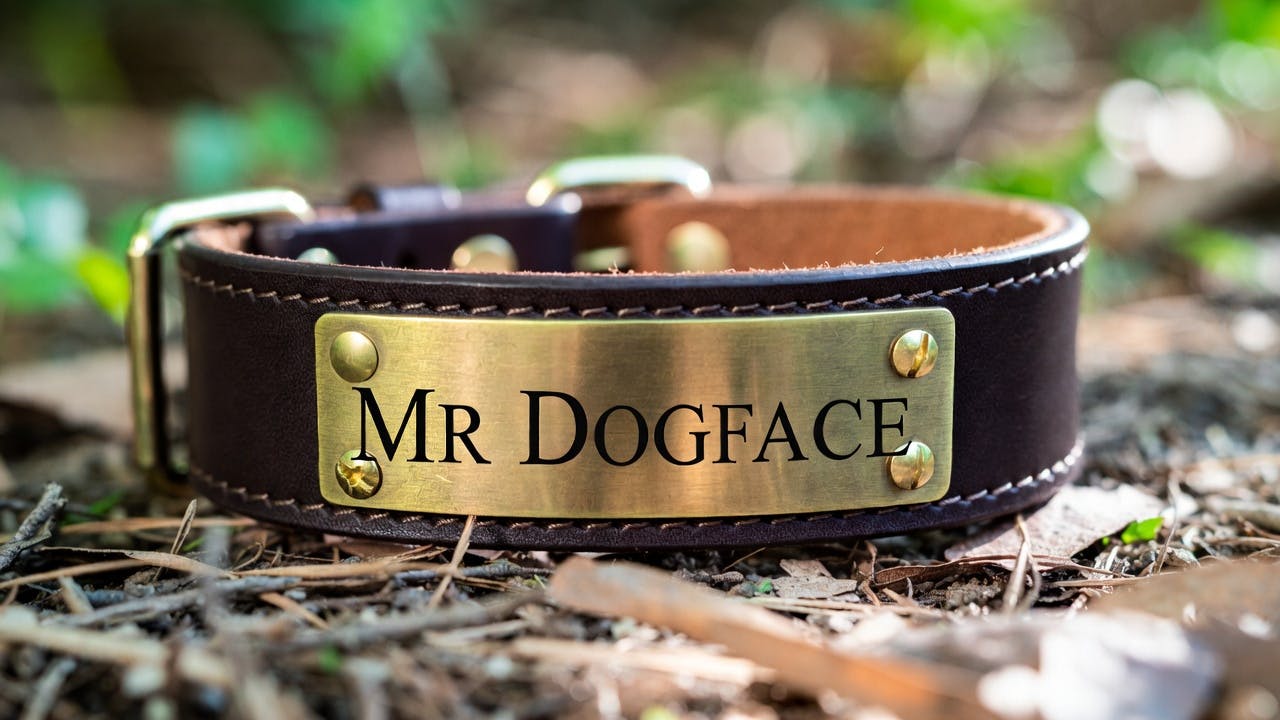
In 2026, the "standard" collar has evolved. We’re seeing a massive shift away from cheap nylon toward Biothane (waterproof and odor-resistant) and Smart Tech. But before you look at the gadgets, you must understand the primary types and their purposes.
A collar that is too loose is a flight risk; one that is too tight is a health hazard. The Test: Once the collar is on, you should be able to slide two fingers comfortably between the collar and your dog’s neck. If you can’t, it’s too tight. If you can fit three or more, they can likely slip their head out.
For the modern pet parent, the answer is often "Yes." Beyond just location tracking, 2026 smart collars (like the Garmin Alpha or FitBark series) provide AI-driven health alerts. They can notify you if your dog is scratching more than usual (signaling allergies) or if their resting heart rate indicates stress.

When a medical emergency hits, the last thing you want to worry about is a "payout cap." Discover why Healthy Paws remains a leader in unlimited pet insurance coverage.
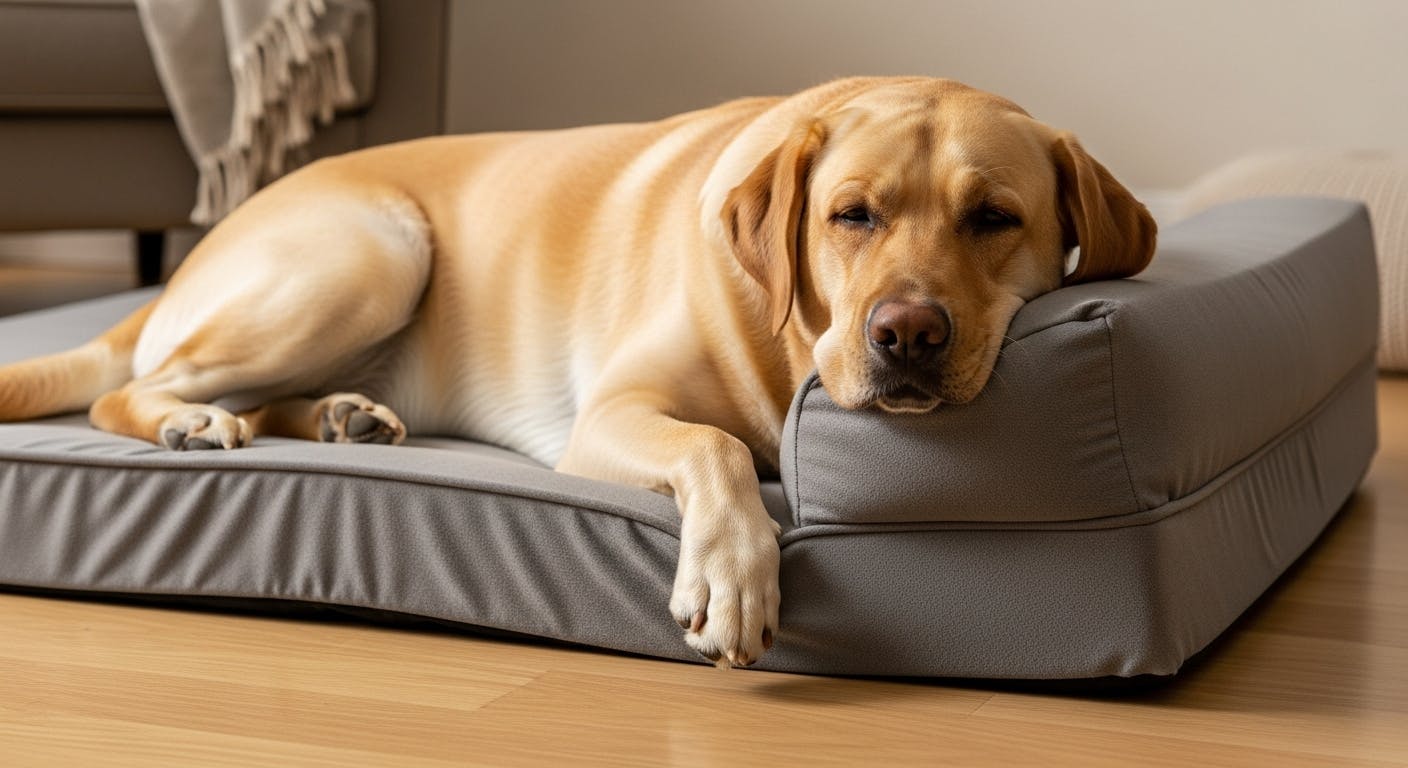
Big dogs carry big weight. We explore why a high-quality dog bed is an investment in your pet’s long-term mobility and comfort.
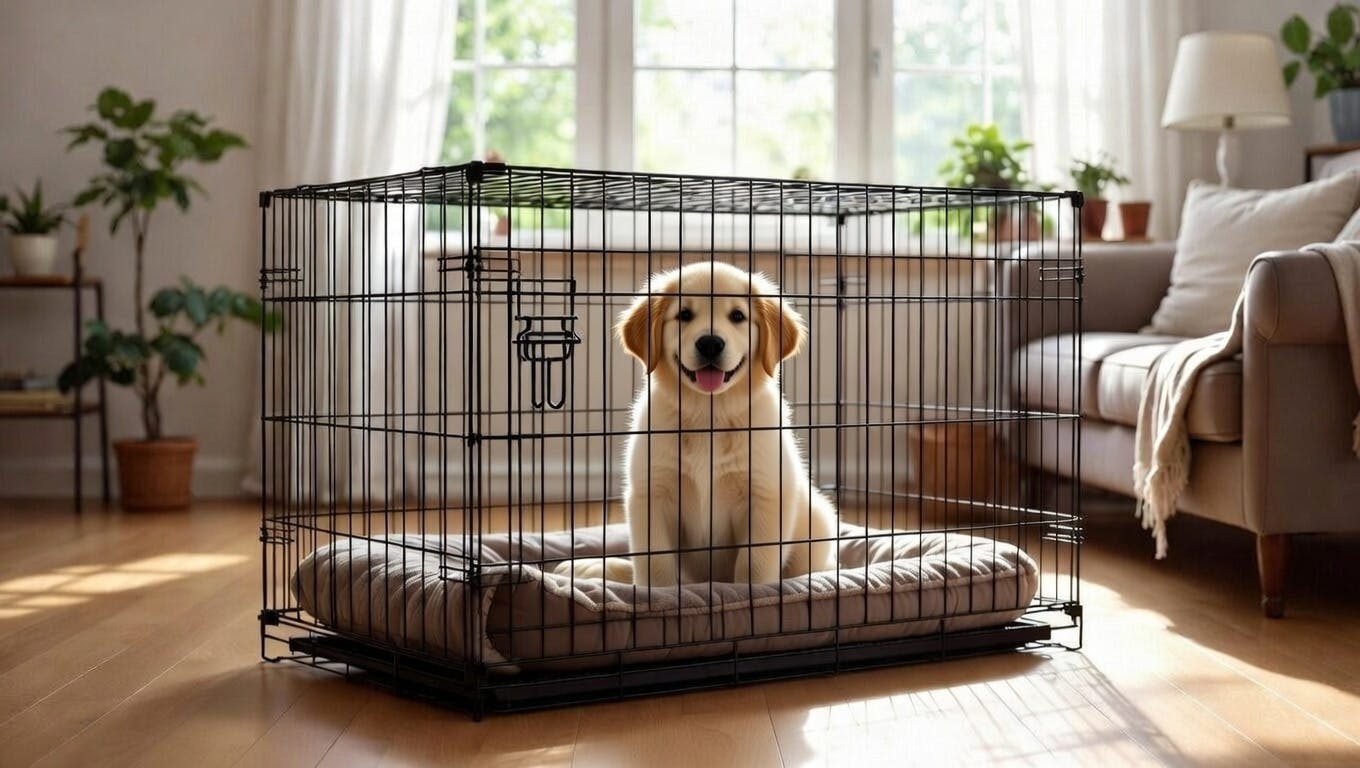
A dog crate isn't just a cage; it's a bedroom, a sanctuary, and a vital training tool. Learn how to choose the right one for your furry friend's needs.
One of the biggest mistakes owners make is leaving collars on 24/7. Collars can snag on crates, furniture, or even another dog’s jaw during play, leading to tragedy. Pro Tip: Use a breakaway collar for indoor use, which is designed to unsnap under high pressure, preventing strangulation.