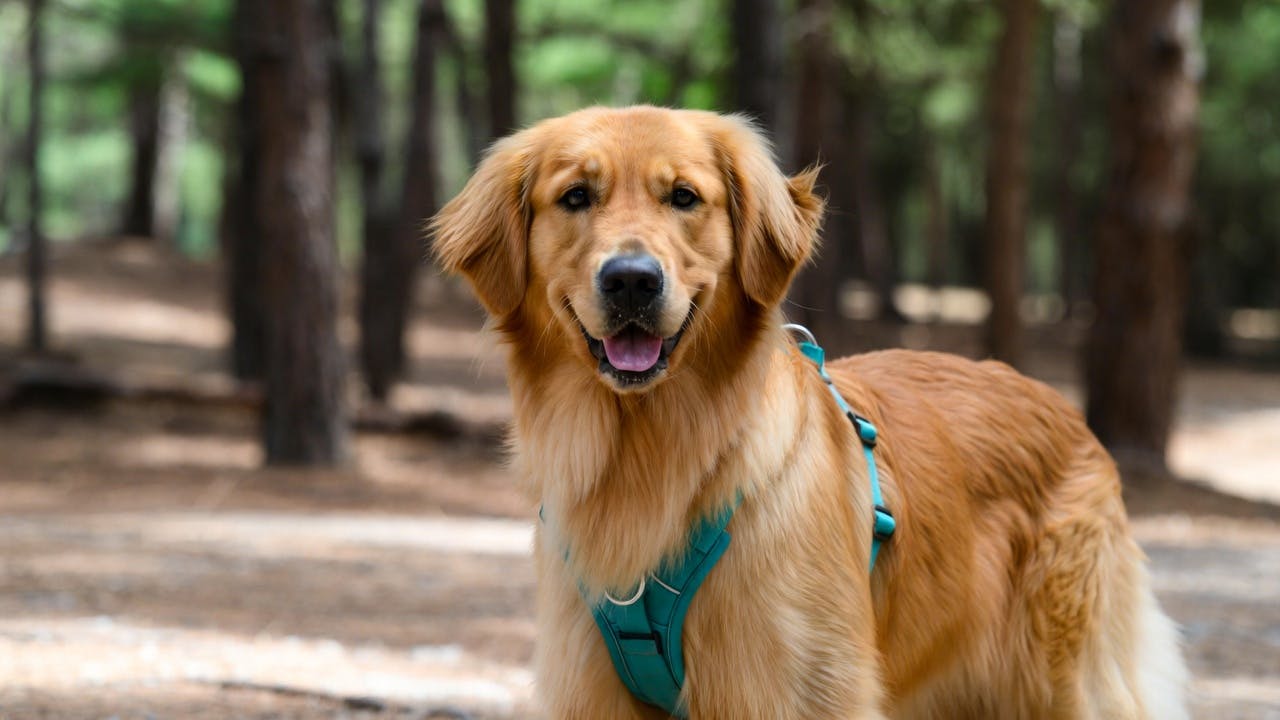
Why is a dog harness better than a collar? > A dog harness is generally better than a collar for walking because it distributes pressure across the chest and shoulders, preventing neck injuries and tracheal collapse. Harnesses also provide owners with better control over dogs that pull and are more secure, making it difficult for dogs to slip out and run away during walks.
For decades, the standard leather collar was the default for every dog. But as we’ve learned more about canine anatomy, many veterinarians and trainers are making the switch to the dog harness.
The reason is simple: physics. When a dog pulls while wearing a collar, all that force is concentrated on the delicate structures of the throat, including the trachea and thyroid gland. A harness shifts that pressure to the strongest parts of the dog’s body—the chest and ribcage. Whether you have a tiny Chihuahua or a powerful Husky, a harness offers a more humane way to explore the world together.
Not all harnesses are created equal. Depending on your dog's behavior, you’ll want to look at these specific designs:
A harness is only effective if it fits correctly. A loose harness can cause painful rubbing or allow your dog to slip out, while one that is too tight can restrict movement and breathing.
To get the fit right:
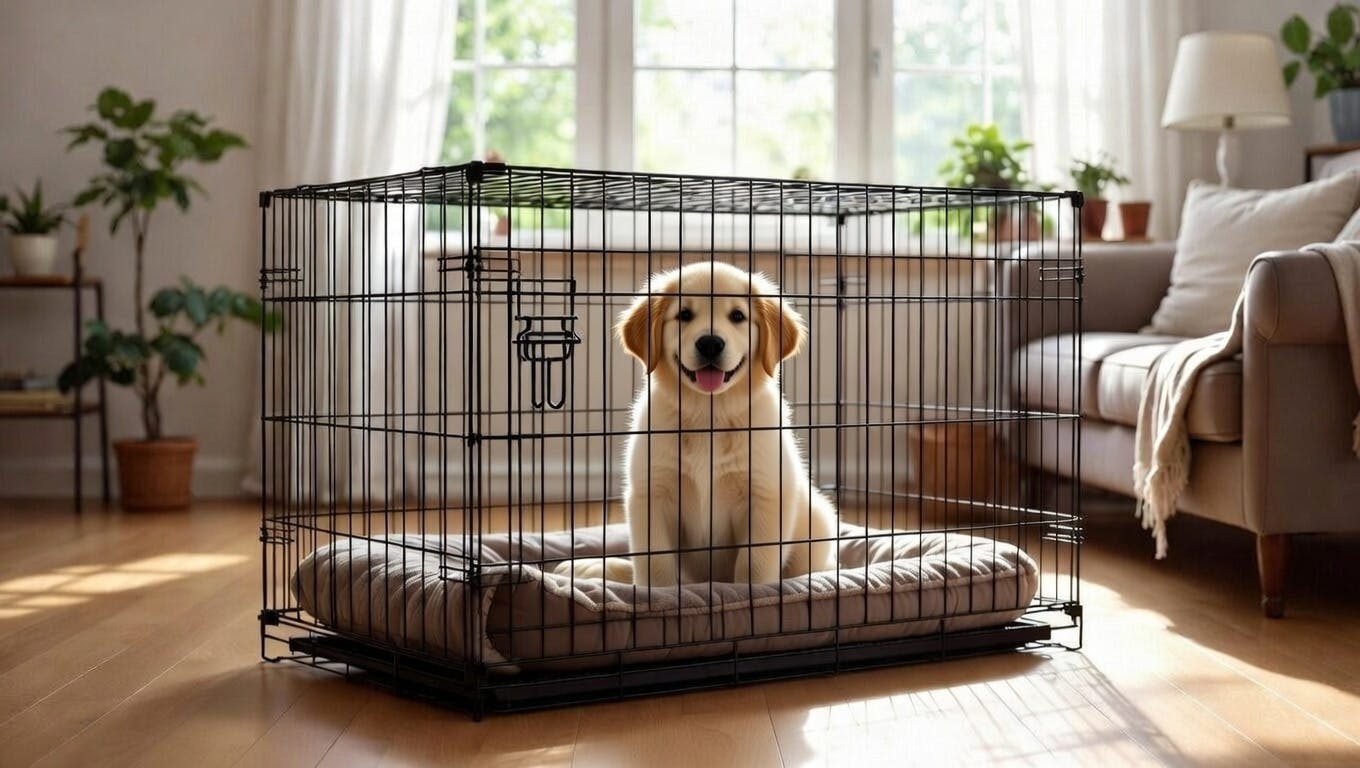
A dog crate isn't just a cage; it's a bedroom, a sanctuary, and a vital training tool. Learn how to choose the right one for your furry friend's needs.
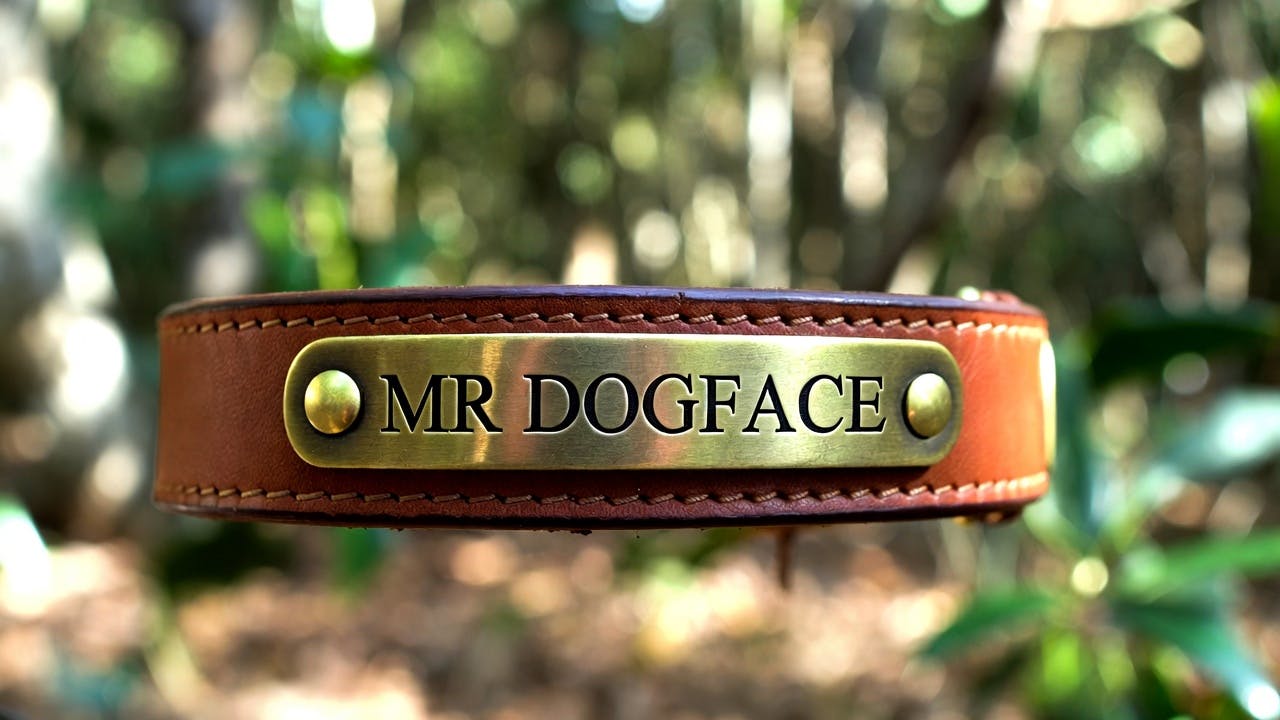
A dog collar is more than just a place to hang an ID tag—it's a communication tool and a safety lifeline. Here is how to pick the one that keeps your pup secure and comfortable.

Tired of scooping? Automatic litter boxes promise a cleaner home and a happier cat. We break down the tech, the costs, and the top-rated models.
While harnesses are fantastic, they aren't a "one size fits all" solution. For example, some very thick-coated dogs might find heavy padded harnesses too hot in the summer. Additionally, a harness doesn't replace training—it's a tool to make training easier. If you use a back-clip harness on a dog that pulls, you might actually trigger their "opposition reflex," making them pull even harder (like a sled dog!). Matching the tool to the goal is key.